

What is FASD?
FASD stands for Fetal Alcohol Spectrum Disorder. It describes how alcohol exposure before birth can affect the brain and body. FASD is a lifelong disability that can range from mild to severe and may affect learning, behaviour, senses, and physical development. Because these challenges are not always visible, FASD is sometimes called an invisible disability.

To read more about the research used on this page, visit CanFASD.ca by clicking here.
What are the Signs and Symptoms of FASD?
FASD is a spectrum disorder, which means each person with FASD is unique. Some common characteristics may still be present. Data from the CanFASD database shows that only 14% of people with FASD have all listed physical features, and most are not visible to the public.
Cognitive Challenges
- Learning
- Memory
- Attention
- Language
- Social skills
- Motor skills
- Controlling behaviour
- Reasoning and judgment
- Academics (i.e., math, reading, language)

Physical Impairments
- Vision
- Kidneys
- Hearing
- Heart
- Bones

Other Behaviours
- Acting without thinking
- Acting out due to frustration
- Difficulty understanding consequences
- Trouble staying focused or paying attention
- Difficulty learning in a classroom setting
- Trouble learning new information and repeating tasks
- Difficulty understanding money and managing finances

Physical Characteristics
- Thin upper lip
- Little or no groove between the nose and upper lip
- Small eyes or a shorter distance between the eyes
How is FASD Diagnosed?
Diagnosing FASD can be challenging. It requires a social history and assessments across ten areas of development.
FASD should be diagnosed by a team of health professionals who work together. This team may include:
- A physician
- A psychologist
- A social worker
- An occupational therapist
- A speech and language pathologist

Caregiver Fatigue
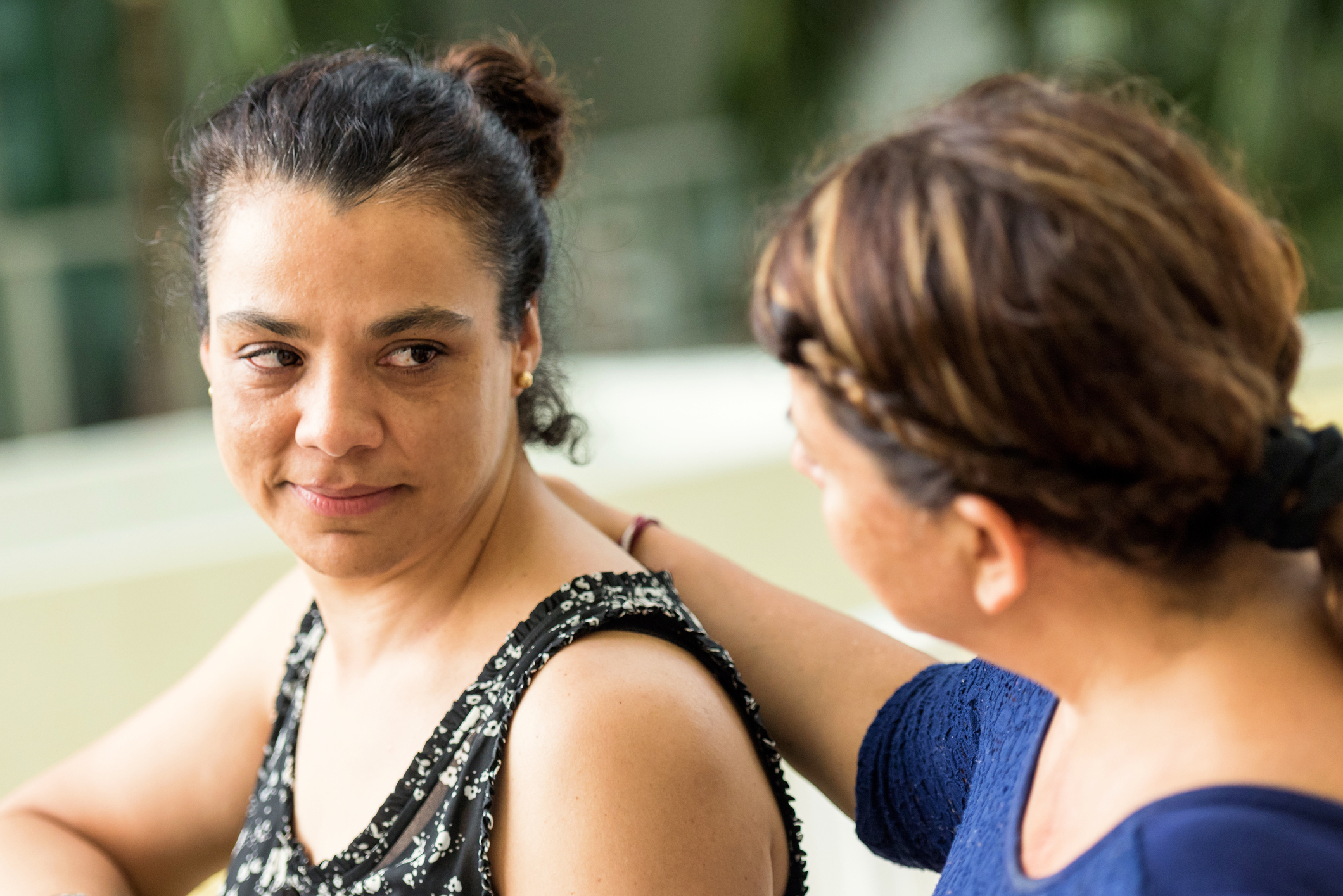
In Ontario, unpaid caregivers provide more than half of all medical care. This means the health care system depends heavily on caregivers. Individuals with FASD often need constant care and supervision. Because of this, many caregivers experience high levels of fatigue. Self-care and FASD-informed respite are important for managing caregiver fatigue. Signs of caregiver fatigue may include:
- You have much less energy than before.
- You seem to catch every cold or flu.
- You feel very tired, even after sleep or a break.
- You do not take care of your own needs because you are too busy or you no longer feel it matters.
- Most of your time is spent caregiving, but it does not feel rewarding.
- You find it hard to relax, even when help is available.
- You feel more impatient and easily upset with the person you care for.
- You feel hopeless.
If you or others notice signs of burnout, talk to a health professional. You may also find help by asking for support, taking breaks, caring for your own health, feeling valued, and connecting with a support group.